Athermalized technology was developed
as part of a project:
Application of 3D Printing Technology to Build a Prototype 2D Camera Equipped with a Model for Temperature Drift Compensation
COMPETITION: Proof of Concept, Priority 2 of the EUROPEAN FUNDS FOR A MODERN ECONOMY 2021–2027 (FENG), Foundation for Polish Science
CALL FOR APPLICATIONS: 1/2023
APPLICATION NUMBER: FENG.02.07-IP.05-0258/23
TITLE: Application of 3D Printing Technology to Build a Prototype 2D Camera Equipped with a Model for Temperature Drift Compensation
PRINCIPAL INVESTIGATOR: Marcin Adamczyk
TEAM: Anna Pakuła, Robert Sitnik, Wojciech Załuski, Jakub Dziedzic, Małgorzata Olewińska
PROJECT DURATION: October 1, 2024 – September 30, 2025
FUNDS AWARDED FOR THE PROJECT: 601 650 PLN
TASKS:
The project is divided into three tasks:
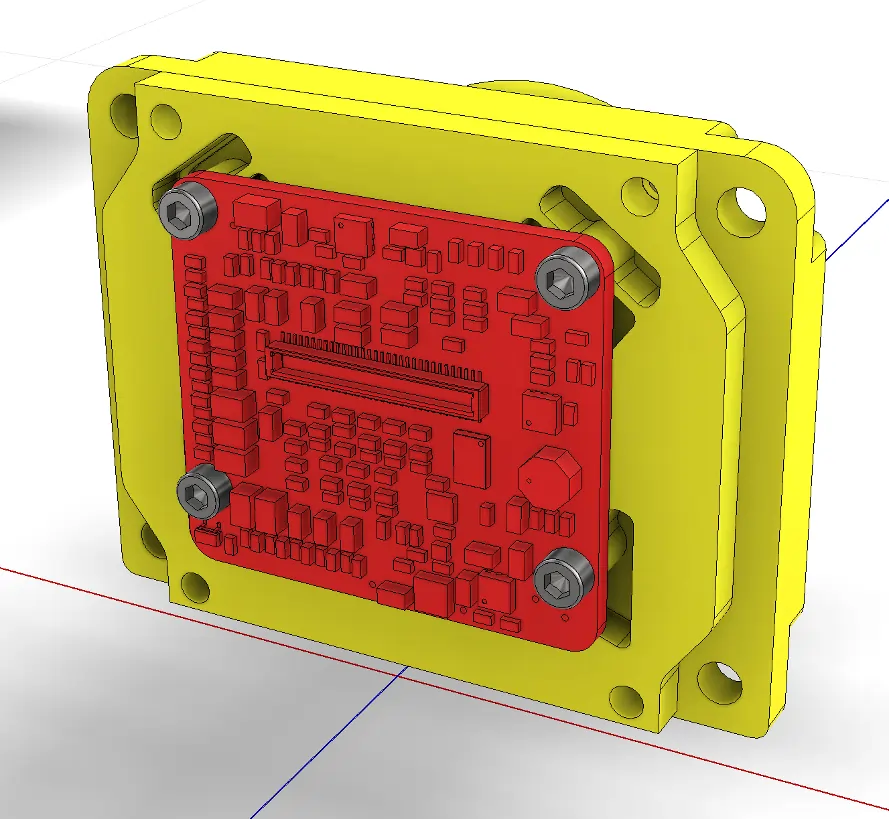
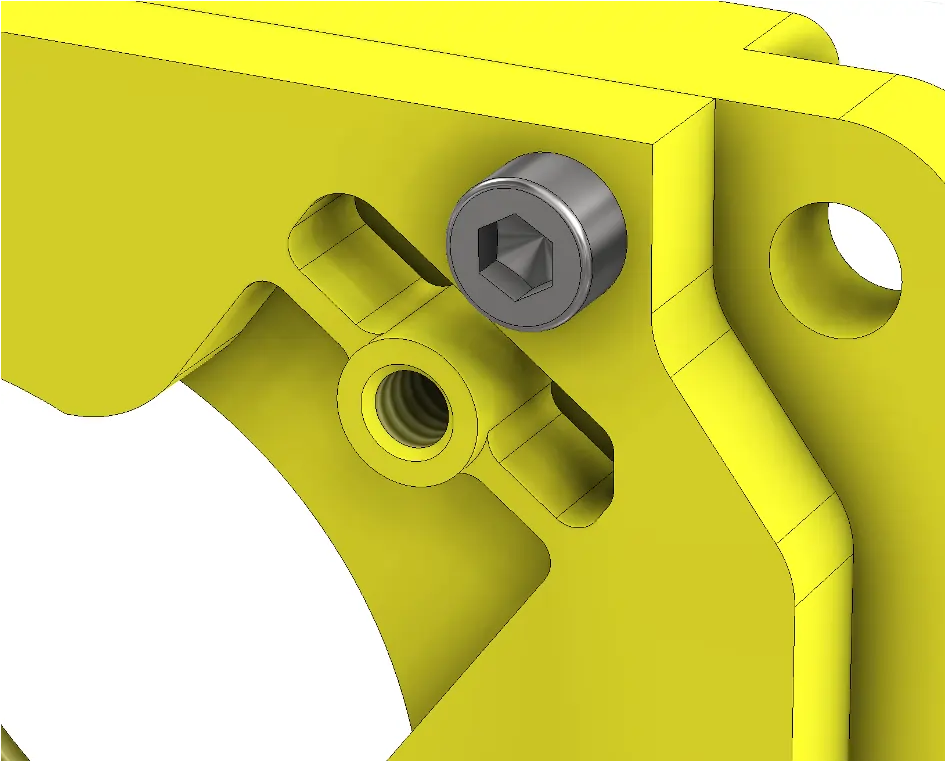
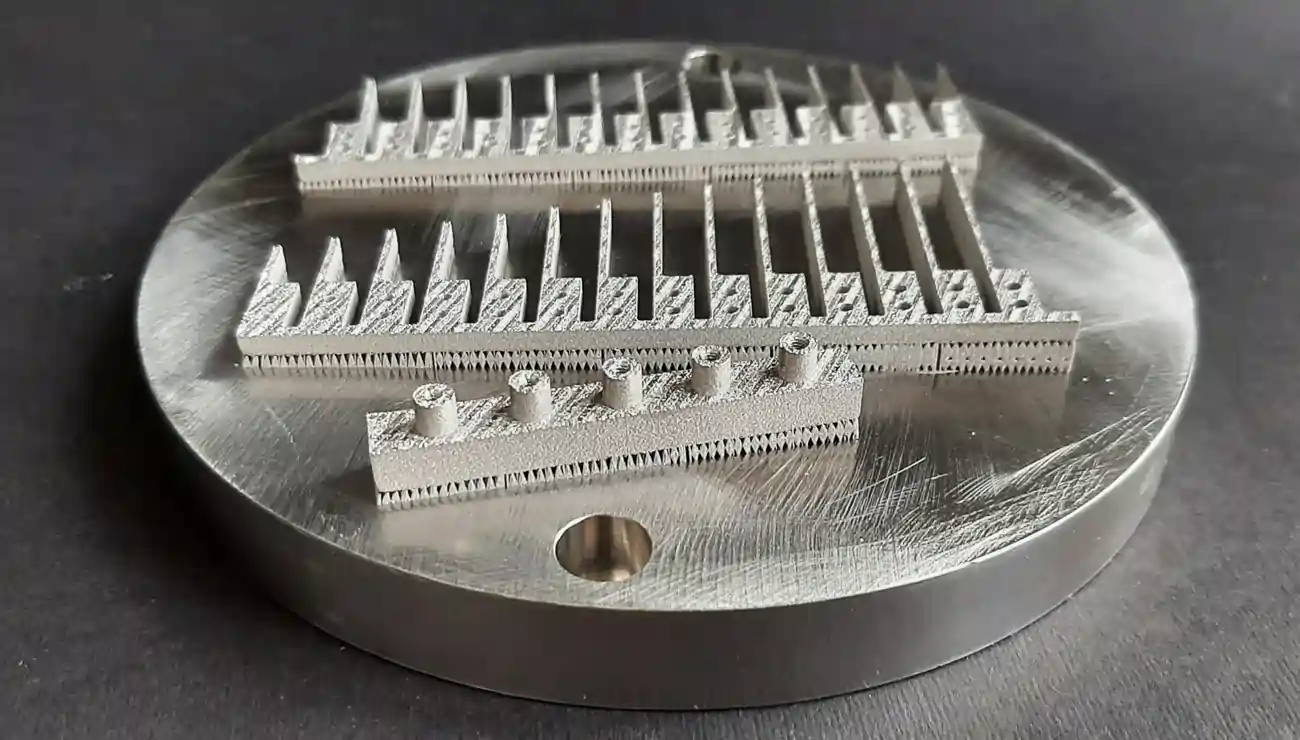
Task 1: Design and fabrication of an elastic suspension for the sensor using 3D printing technology.
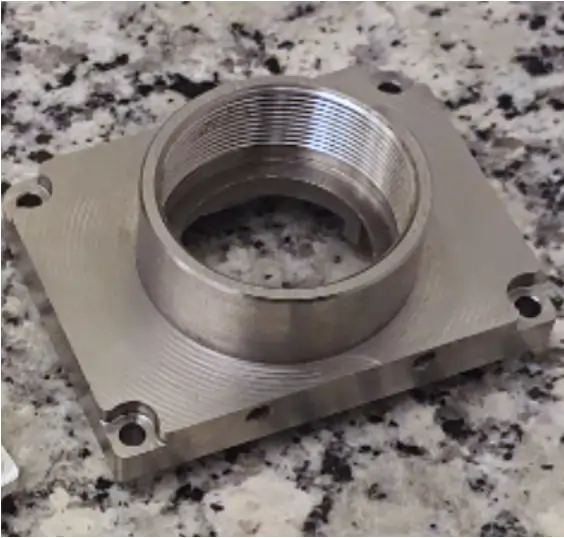
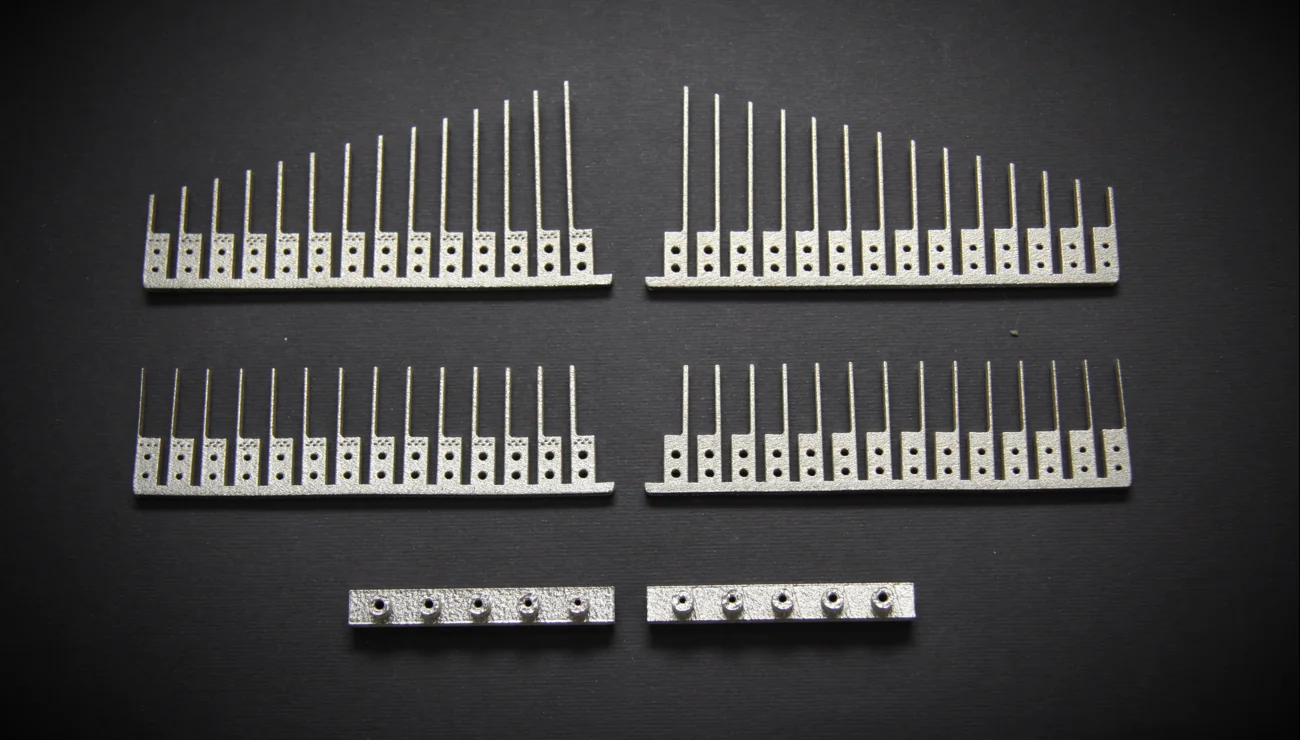
Task 2: Testing of a 2D camera prototype equipped with a 3D-printed (metal powder) elastic suspension for the sensor.
Task 3: Development of a final model compensating for the temperature-induced image drift in the constructed camera prototype.
TARGET AUDIENCE AND PROJECT OBJECTIVES:
2D cameras are currently used in a wide range of scientific, engineering, and consumer applications. They are widely implemented in smartphones, vehicles, measurement and scientific instruments (e.g., microscopes, interferometers, 3D and 4D scanners, profilometers), vision systems used in surveillance, biometrics, medicine, 2D/3D/4D digitization, and machine vision for quality control. The machine vision market alone was valued at USD 11.0 billion in 2021 and is expected to reach USD 15.5 billion by 2026, with a CAGR of 16% [1].
This growth is driven by the parallel development of electronic, optical, and optomechanical hardware, as well as image processing algorithms and artificial intelligence applications. Such dynamic expansion requires continuous improvement of both vision hardware and software for image data processing. The market demands increasingly precise cameras with higher resolutions and sensor sizes, better signal-to-noise ratios, and higher acquisition speeds.
The outcomes of this project will significantly contribute to this progress by addressing one of the key challenges encountered in virtually every measurement application using 2D cameras for image acquisition: temperature-induced image drift caused by variable camera temperature. This effect is commonly observed in cameras with CCD and CMOS sensors because their optomechanical design is not optimized to minimize it.
In virtually all metrological applications where a camera is used as a measurement sensor, image deformation caused by temperature variations significantly deteriorates overall system performance. The results of this project will enable the introduction of an industrial/scientific-grade camera that transparently (i.e., without requiring specialized knowledge of optomechanics, optics, or mathematical modeling) eliminates the problem of temperature drift while substantially improving image quality.
Importantly, the project will develop a prototype camera demonstrating that such improvements do not require access to expensive manufacturing technologies (e.g., wire EDM) or rare materials (e.g., Invar). This will be achieved through the use of metal powder 3D printing and a suitably modified optomechanical camera design.
[1] Machine Vision Market, https://www.marketsandmarkets.com/Market-Reports/industrial — accessed: 21.08.2023
RESEARCH HYPOTHESIS:
Using high-precision metal powder 3D printing technology, it is possible to produce a dedicated sensor suspension for a 2D camera that ensures reproducible temperature-induced image drift, thereby enabling the implementation of a compensation model.
EXPECTED OUTCOMES AND RESULTS:
- Verification of the research hypothesis
- A 2D camera prototype fabricated using metal powder 3D printing technology, equipped with an elastic suspension providing degrees of freedom for sensor deformation
- Number of publications: 1
- Number of patent applications: 2
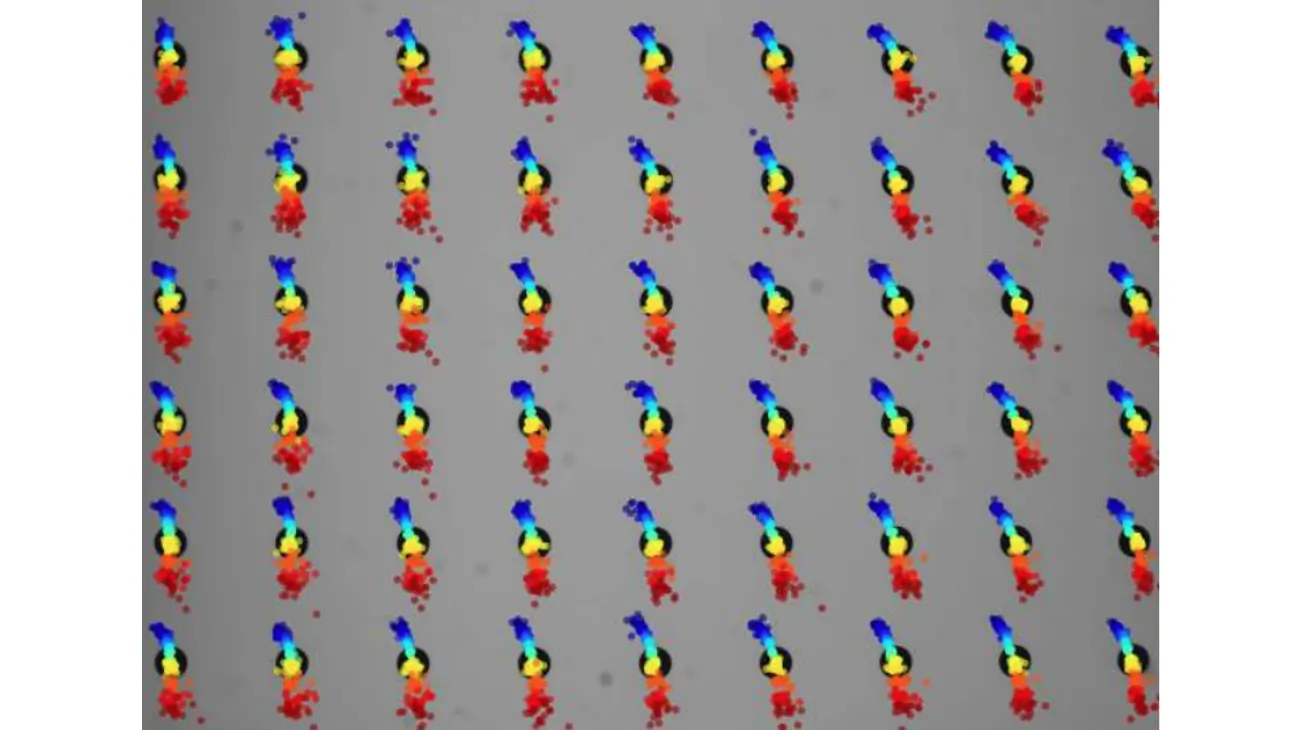
Temperature-induced image drift is observed in commonly used cameras with CCD and CMOS sensors because their optomechanical design is not optimized to reduce this phenomenon. In every metrological application where the camera is used as a sensor for recording measurement images, image deformation caused by camera temperature changes significantly deteriorates the final properties of the application. Depending on the measurement scene, camera temperature changes can result in image position shifts of up to several pixels.
For many vision sensor-based measurement applications, image shifts or deformations of even 1 pixel can translate into errors observed in the measurement scene reaching up to several dozen centimeters or more. A very important issue is the fact that temperature-induced image drift is, on one hand, a widespread phenomenon, and on the other hand: a phenomenon that is little known and often overlooked in metrological analysis. Research shows that temperature-induced image drift is inherently random in nature. This lack of repeatability is the reason why software methods for reducing temperature drift cannot properly compensate for the described phenomenon.
The solution to these problems is Athermalized technology. It involves modifying the optomechanical construction of the camera by implementing a special compliant sensor suspension. Research indicates that the implementation of Athermalized technology eliminates the random nature of temperature-induced image drift, which in turn enables the implementation of a software compensation model. The end result is a reduction of temperature-induced image drift by over 80% and a significant improvement in the quality of recorded measurement images.
Latest News
How to Properly Measure Thermal Image Drift in 2D Cameras
The Importance of Accurate Thermal Drift Measurements In precision imaging applications, even minor temperature variations can cause significant distortions in captured images. Thi
Athermalized Recognized by WUT Experts – Presentation to PolSV Investors!
I am proud to announce that the Athermalized technology has been recognized by a panel of experts from the Warsaw University of Technology and selected for presentation to PolSV in
Second 3D print
We decided to expand our knowledge of metal 3D printing technology and commissioned prints of the same test specimens from Spes3D. This time we also evaluated the repeatability of
First 3D print
One of the project’s goals is to create a suspension that maintains thermal degrees of freedom for the PCB with a CMOS sensor. The suspension will be manufactured using metal
What is temperature-induced image drift in cameras?
In the field of optical engineering, cameras are essential tools used in areas such as machine vision, autonomous vehicles, medical imaging, and security systems. Their precision d
We have obtained funding for development
Success! We have received funding for the development of Athermalized technology! As part of the FENG Proof of Concept competition organized by the Foundation for Polish Science, w